The frontier response week
July 1, 2026 - July 9, 2026
Four Labs, One Direction
Grok reset the price curve. OpenAI answered with a routed model family. Claude returned under a new access regime. The model race is becoming a systems race.
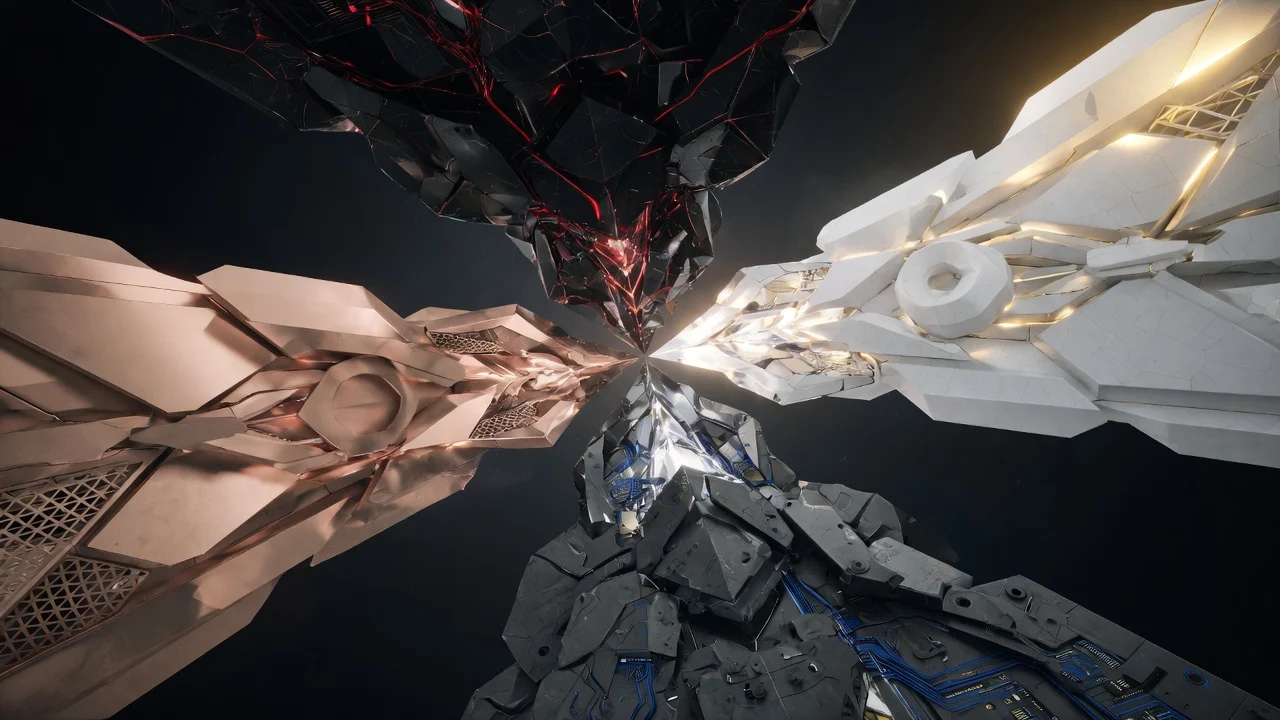
Claude's $50 Problem: GPT-5.6 Sol Starts a Frontier AI Price War
Sol undercuts Anthropic's flagship, Terra attacks the default lane, and OpenAI has turned parallel agents into a product feature. The benchmark story is sharper, and messier, than the victory lap.

 AI Frontiers
Elon Just Made Opus Look Expensive
Grok 4.5 does not beat every frontier model. It changes the argument by making coding-agent economics impossible to ignore.
 AI Tools
Fable 5 Is Back: The Power-User Playbook for Long-Horizon Agents
After a 18-day government suspension, Anthropic's Mythos-class model returns July 1. Here's exactly what it enables over Opus 4.8 and GPT-5.5, and how to wield it.
 Models & Releases
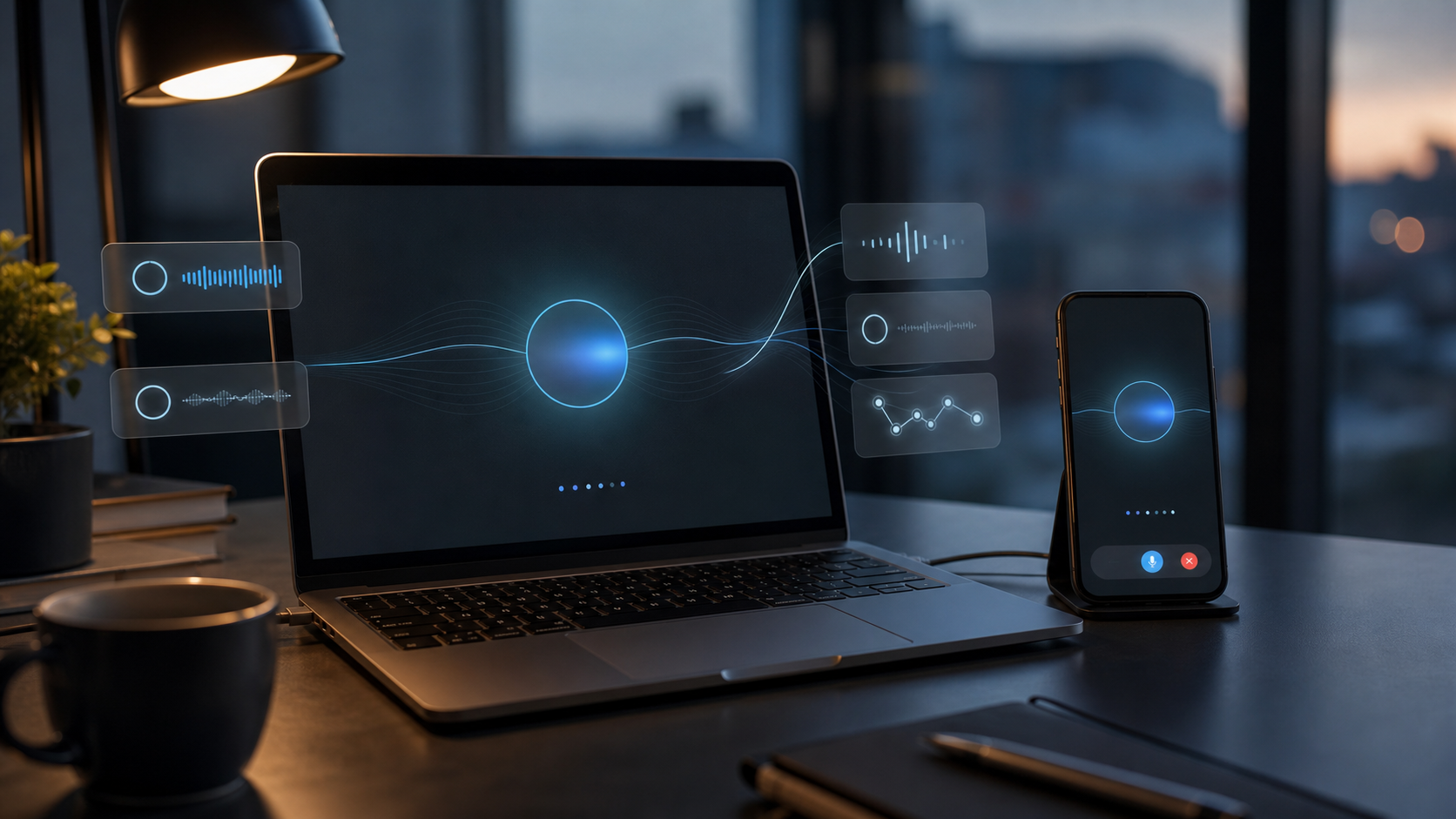
GPT-Live Just Made Every Voice Assistant Feel Obsolete
OpenAI’s new voice model does not just sound smoother. It changes the interaction model from turn-taking to continuous conversation.
Ship next
3 picksKarpathy split the paradigm in two. One raises the floor, the other raises the ceiling, and only one survives a production audit.
GuardFall shows why autonomous coding agents need runtime controls, not just model guardrails.
Feature and data engineering, not model selection, is the highest-return and most-neglected lever in every LLM pipeline.
Power and access
3 picksFrontier model access now carries policy risk. Serious AI teams need measured fallbacks, not faith in one perfect endpoint.
Eighteen days of outage turned a coding model into an eschatology. Here's what the saga actually revealed about who controls frontier AI.
A government letter took the best coding model to zero. Here's the multi-model dispatch architecture that made it a routing change instead of a…
On the research desk
Primary-source gateMuse Spark's Developer Turn
The release report is live. We are checking the primary documentation trail, testable access, pricing, model IDs, and whether Meta itself uses the 1.1 name.
The Nine-Day Response Map
One source-normalized timeline across Fable, Grok, GPT-5.6, and Muse, focused on agents, distribution, access risk, and cost per accepted task.
The systems argument
The release names will age quickly. These pieces explain the architecture and operating economics that will remain.